Hello, bookish ones. In the yard, mountain mint gave way to late boneset, which gave way to goldenrod, and autumn. My October plan is to meander my way through Steinbeck’s “East of Eden,” a title I’ve heard they’re reading in the paid subscriber book club of The Free Press and elsewhere; it’s also heavily checked out currently in the state library system. Let’s find out why*. Join me?
But until then, September reads:
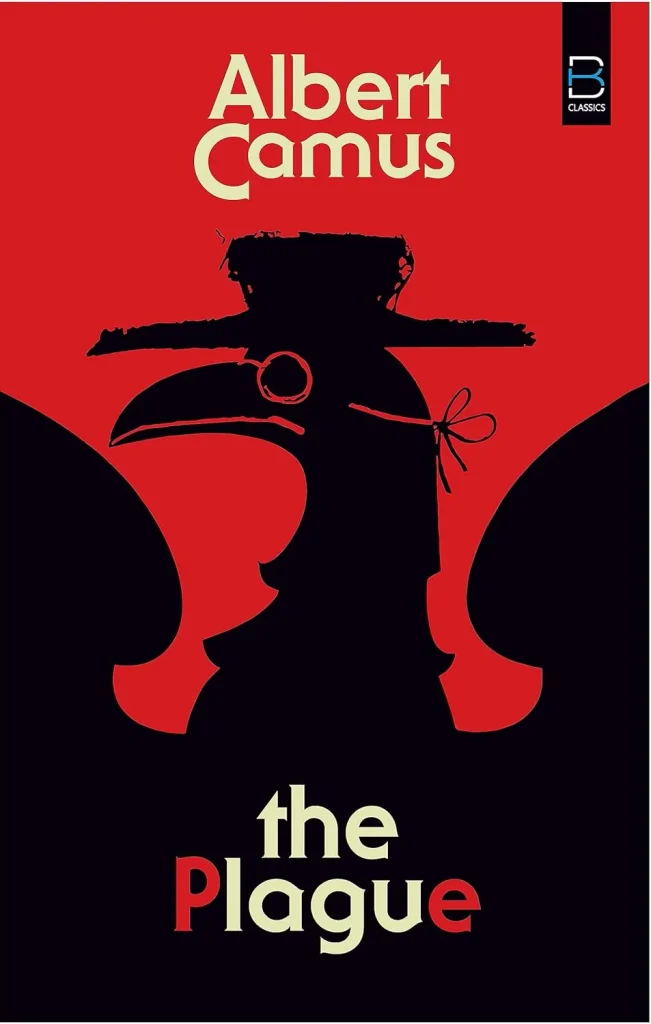
1. “The Plague” by Albert Camus (originally published in French as “La Peste” in 1947; my library copy was a 1995 Book-of-the-Month paperback in the 1948 Stuart Gilbert translation). I was unable to find a digital version of the cover I have.
This French absurdist rose spontaneously to my booklist from a discussion in residency about our missional reads. One of my classmates studied a priest ministering in Gaza. The idea arose of how one lives when normal life’s infrastructure has collapsed. My friend mentioned “The Plague” and in my impetuous way I ordered it from the library.
Set in an Algerian port city in the 1940s, “The Plague” observes the goings on of a place completely locked down due to a bubonic (and later pneumonic) plague for close to a year. It’s similar to Daniel Defoe’s “Journal of the Plague Year” (1722) which is quoted in the epigraph and which I read in 2024. But this was much more visceral and engaging; it plunged me completely back, unpleasantly, into early Covid times. The plague friendship of Rieux and Tarrou also reminded me of battle buddies Paul and Kat in “All Quiet on the Western Front,” of the friendships we make in strange times.
2. “A Bunny’s Tale: Show’s First Exposé for Intelligent People,” by Gloria Steinem (1963).
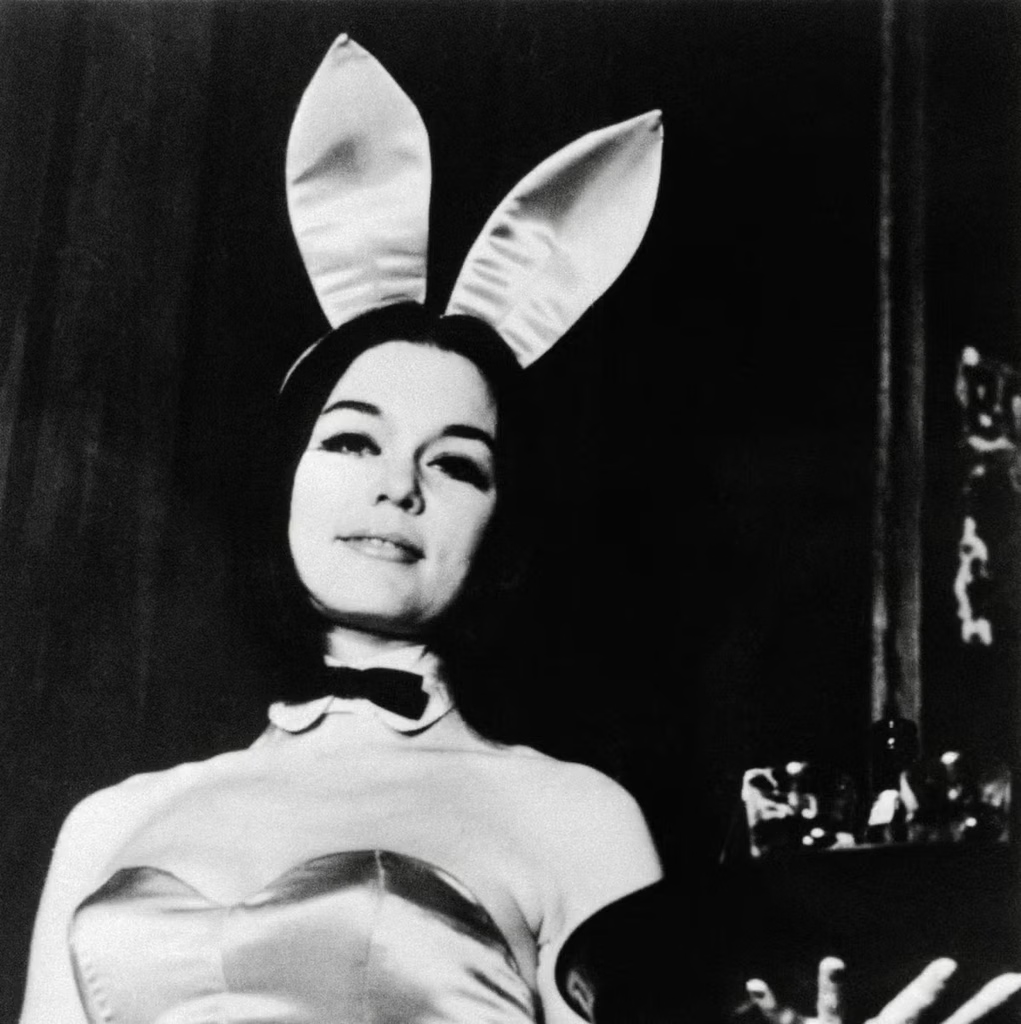
Feminist icon Gloria Steinem died on September 2nd, just as I was going into a new reading cycle. I knew little of her, and probably we might have agreed on as much as we disagreed. I learned that she recently campaigned against surrogacy in her home state, that she was known for journalism, and that she was Christian Bale’s stepmother. I read “A Bunny’s Tale,” her undercover work on Hugh Hefner’s Playboy Clubs, which “Show” magazine published in two parts in 1963. After this work, which harmed her career in the short term, Hefner stated in writing he would make reforms to the on-boarding of his unfortunately completely unredeemable enterprise. Read her work here. It contains no salacious photos if it ever did because of the quality of the photocopy. As an aside, I believe it was in Louise Perry’s “The Case Against the Sexual Revolution” (2022) that drew my attention to the fact that the Playboy Clubs rose fairly in lockstep with the roll out of the first birth control pills. Beware any enterprise or person trying to blithely de-couple your sexuality from its obvious fruit for their own pleasure and convenience.
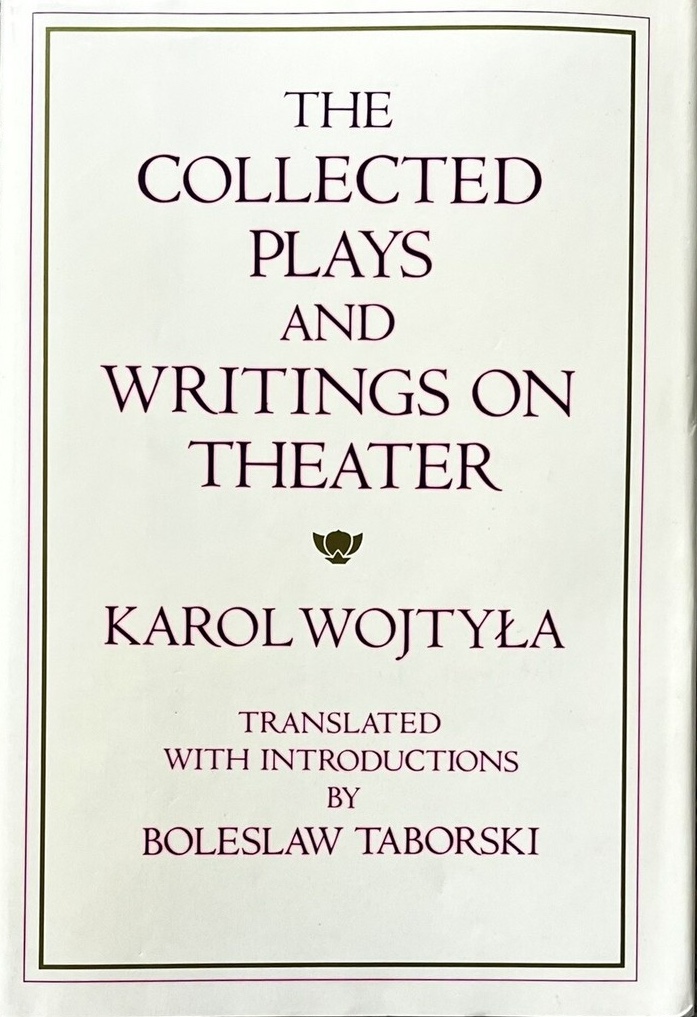
3. “The Jeweler’s Shop” (1960) by Karol Wojtyła (found in “The Collected Plays and Writings on Theater” (1987), his works translated and introduced in the English by Boleslaw Taborski, which is a really excellent name).
I recall a Spring Break visit to my grandparents’ home in 2005 in part because the world was awaiting word of the next Pope following the death of John Paul II (born Karol Wojtyła). I knew little of popes but learned of the release of black smoke (no decision) until an accord is found, signaled by white smoke from the Sistine Chapel chimney.
And littler did I know** for many years that pre-election John Paul II had been a playwright; as a young adult, Wojtyła was part of the underground Rhapsodic Theatre in Poland during the Nazi occupation. Recently, I became intrigued by a reference to a work called “The Jeweler’s Shop” (“A Meditation on the Sacrament of Matrimony, Passing on Occasion into a Drama”). It eavesdrops on two marriages of contrasting trajectories and reminded me of Arthur Miller’s “All My Sons.” In both plays, children of two juxtaposed couples seek to marry in the end.
I love being married. It is a good gift. But I see and love many for whom the bond has painfully unraveled, as with one of the couples in the play. The bitter wife goes to try to sell back her wedding ring and the mysterious jewelry shop owner states that the ring does not weigh anything on its own—her husband must still be alive. In the years since the vow they have all but lost sight of each other. They have lost the tender fear songwriter Linford Detweiler wrote years ago in the poem “I Can’t Sing”: “So instead/I have to wrap my arms/Around your head/And pull you to my heart/And squeeze/Just hard enough/To let you know/We could hurt each other”.
If you are married, may you (and I) hold our vow and our lover with tender grace. (And childlike mirth.)
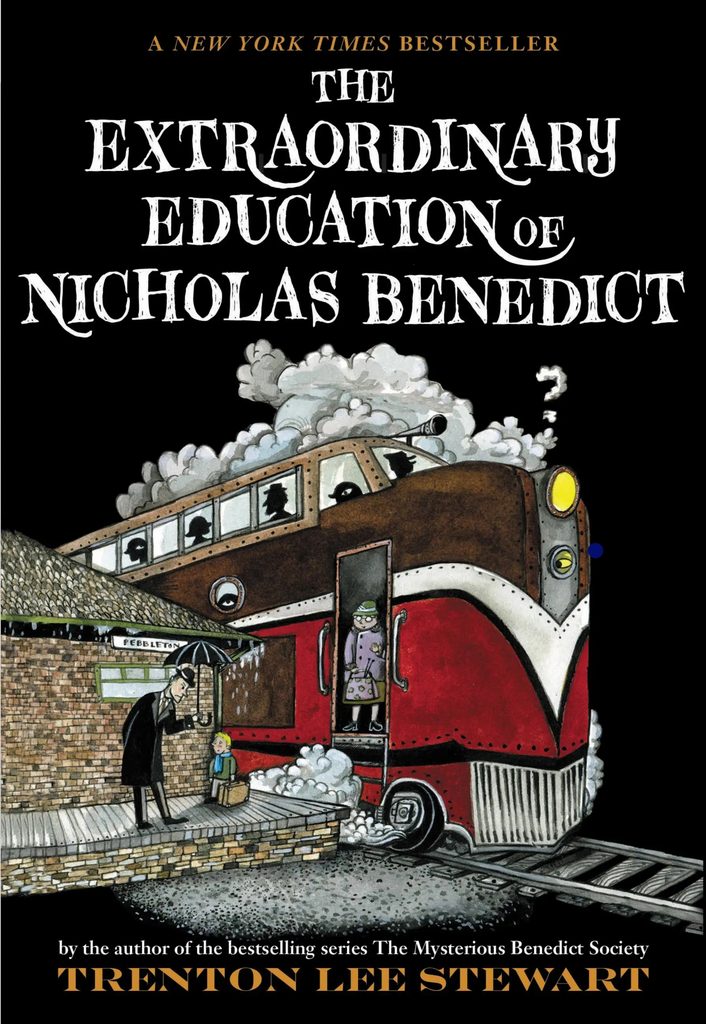
4. “The Extraordinary Education of Nicholas Benedict” by Trenton Lee Stewart (2012).
Another assignation from one of my youthful handers. This is the prequel to Stewart’s 4-volume “Mysterious Benedict Society” series. It reminds me of Frances Hodgson Burnett’s “A Little Princess” (1904). Both Nicholas and Sarah tirelessly persist with grace and brains through institutional terror and tedium.
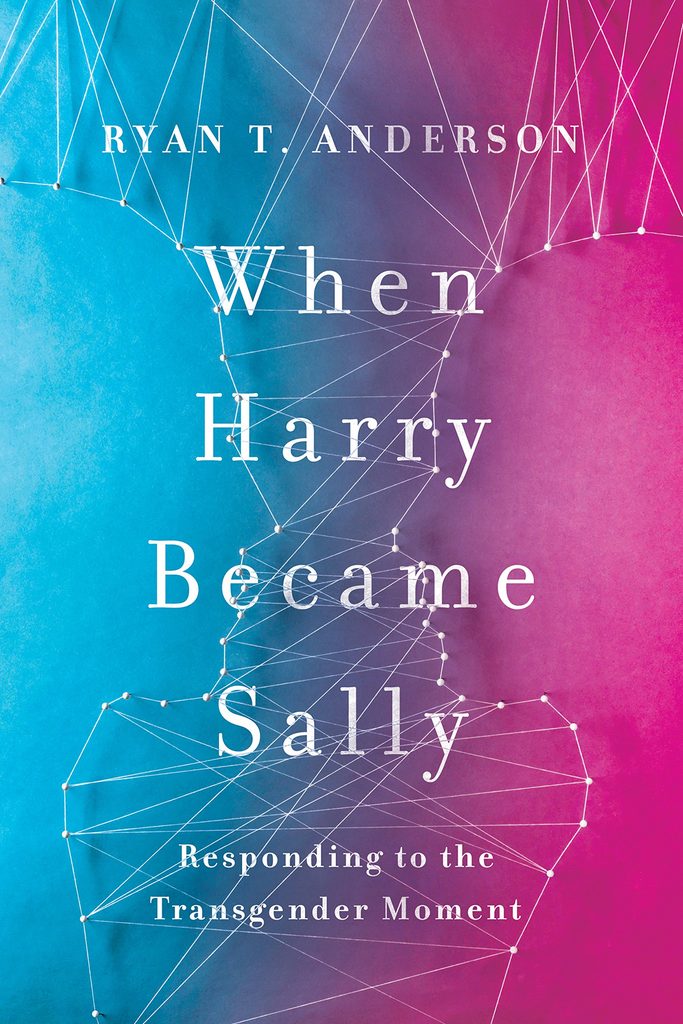
5. Something old, something new, something banned…
Just in time for the ALA’s 2026 Banned Books Week (October 4-10, 2026), I read a once-banned book. It would not make the ALA lists, but Amazon refused from February 2021 – February 2025 to sell a Ryan T. Anderson book on trans topics. The National Coalition Against Censorship criticized this decision (as Amazon had been selling the book for three years already).
But I didn’t choose “When Harry Became Sally” for its retail scandal; I chose it because a couple friends were reading it and my efforts might spur conversation. And they did. It’s the same reason I read a book on asexuality and “The Kingdom, The Power, and The Glory” by Tim Alberta. People wanted to talk about them. A friend’s invitation is usually a great reason to read a book.
As you October, step on crunchy leaves and read books. That way, they’re already in your head if they get banned.
*Ok, Netflix’s limited series “East of Eden” debuting October 1, 2026, may be contributing.
** My college Catholic friend cohort probably told me. Bless them. They taught me many worthy things.