In today’s edition of “What Zoe Read,” I read mostly science, science accountability, and science fiction. For variety: a Newbery winning autobiography of a doll that slowly charmed me. All of today’s titles are available in my state’s public library system, and I hope in yours too!
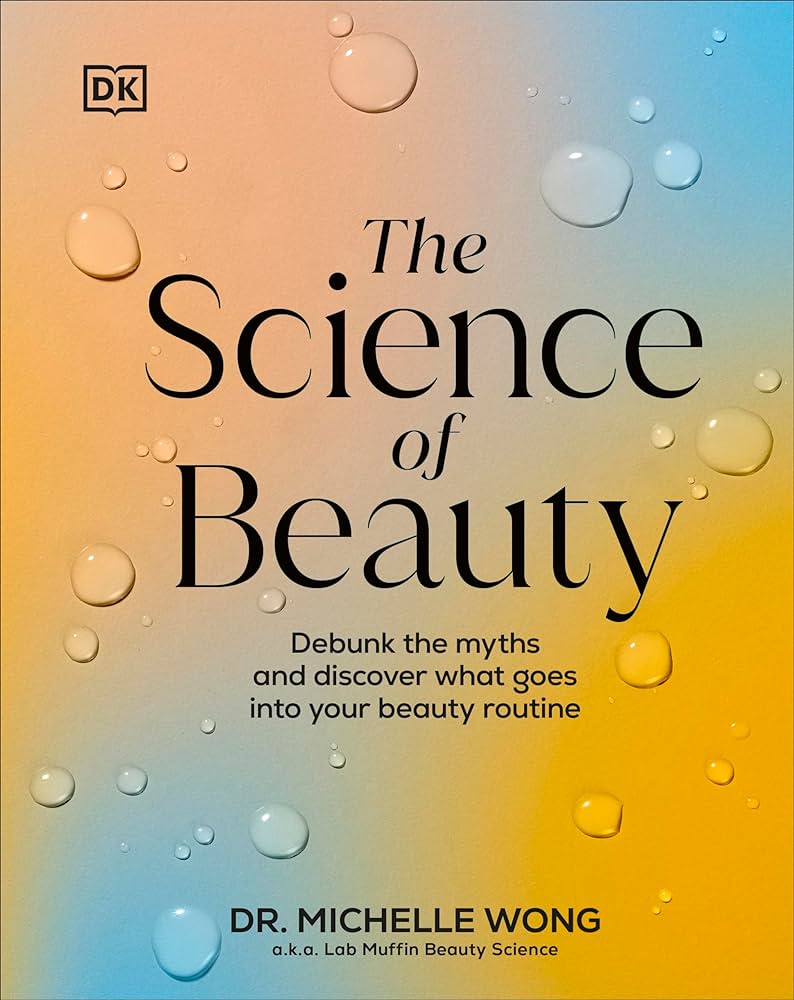
First, I had fun browsing Dr. Michelle Wong’s 2024 “The Science of Beauty: Debunk the Myths and Discover What Goes Into Your Beauty Routine” from DK Publishing. I bumped into Dr. Wong on Instagram, @labmuffinbeautyscience. Dr. Wong holds a PhD in Chemistry (medicinal and supramolecular) and a diploma of cosmetic formulation; she makes educational content about cosmetic products. I don’t use a lot of makeup, but I’m as reactionary as the next person about supposed “toxic” ingredients or “contamination.” I appreciated her breakdown of how different products work, what impacts production costs, what buzzwords in adverts actually mean something, etc. People are always pushing DIY recipes for everything, and she analyzes those too, highlighting what household items you might use for your skin that can in fact be effective (or not, or even harmful). Dr. Wong can also be found at labmuffin.com and on YouTube and other platforms.
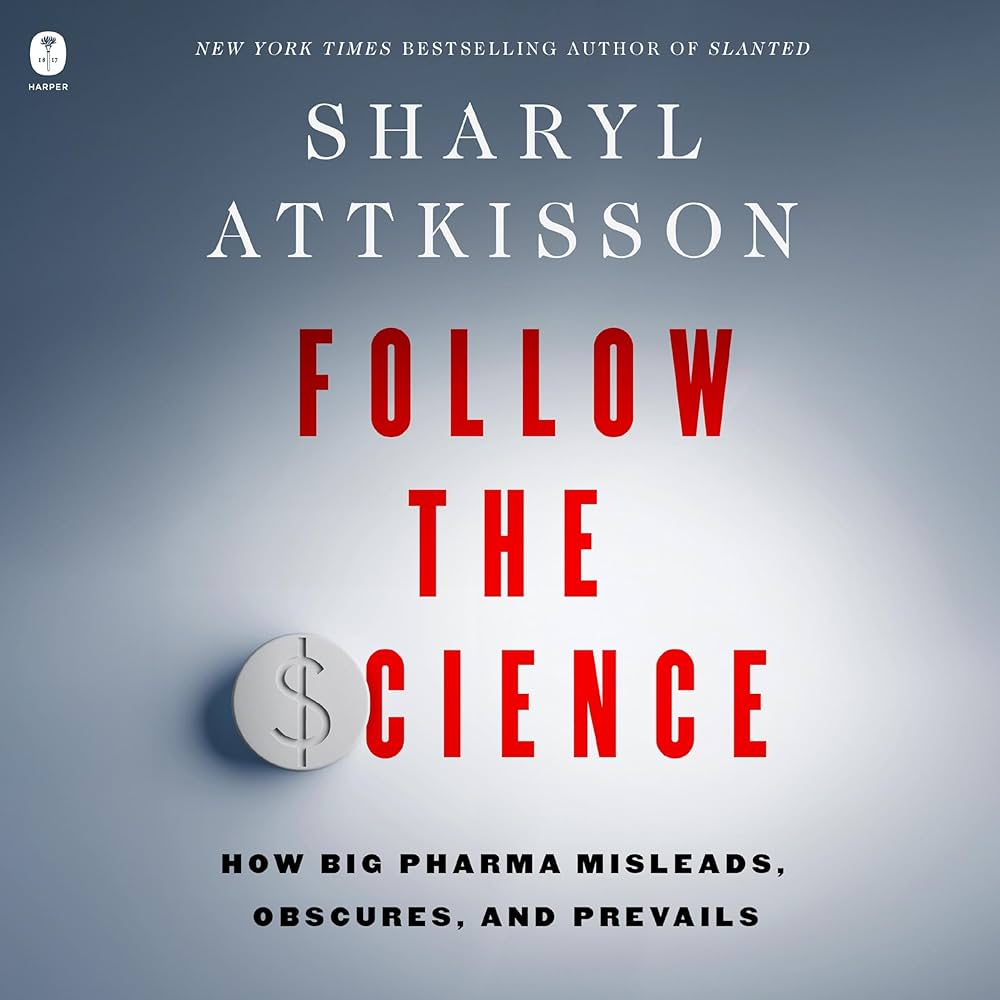
Because I like books and people to be in conversation in my brain, I looked up what Dr. Wong had to say on antiperspirants. This is because another book in this cohort is Sharyl Attkisson’s 2024 “Follow the Science: How Big Pharma Misleads, Obscures, and Prevails,” which got on my docket last year. I have been unable to retrace the exact source of my interest (podcast clip), but I believe it related to her work questioning the perceived conflict of interest in cancer foundations accepting money from companies that produce antiperspirant products. There arose a question about if aluminum-containing products can cause or increase risk of breast cancer. Unfortunately, Dr. Wong’s book has neither “aluminum” nor “antiperspirant” nor “deodorant” as listed topics in the index. I checked her website, which has an article from December 29, 2020. While Dr. Wong did cite the cancer centers disavowing a link, she also went through a lot of other material about risk factors and available studies.
Attkisson’s “Follow the Science” (styled $cience on the book cover) both deals briefly with the antiperspirant matter and contains other tales from her long position as a watchdog against the pharmaceutical industry (she was a TV correspondent for 3 decades at major networks according to her website bio). The table of contents faces a page that is blank except for the sentence “No legitimate scientist ever declared science to be ‘settled’.” Attkisson writes about medical scandals, failed drugs, medical experts with undisclosed conflicts, vaccine injuries, Covid treatments, and more.
Reading “Follow the Science” and looking at Attkisson’s other work, I was reminded of a heated exchange I had last year with a friend; our friendship has weathered many a spicy exchange, but where it broke surprised me. As I offered the evidence of a whistleblower to back some point I was making, my friend queried the whistleblower on Google or X and abruptly halted everything. He declined to consider the evidence I submitted because he disapproved of the company kept by the whistleblower.
That rocked me and saddened me. And yet, in reading Sharyl Attkisson, I had a similar reaction. At times I was chugging right along agreeing with her; other times I recoiled at who she made polemical thrusts at and who she embraced, to my mind, suspiciously easily. Read the book and make your guesses! I’m reminded further of a college friend who embraced the challenge of writing a paper for a professor he knew disagreed with him. He knew the professor would read that much more critically, so it behooved him to write and argue that much better. He’s now a lawyer. I would not dive down every rabbit hole Attkisson does or always conclude as she does, but I respect her grunt work, questions, and persistence.
Speaking of: one physician I saw her take aim at over and over was Dr. Paul Offit, who is currently (I’m writing in June 2026) the Director of the Vaccine Education Center and an attending physician in the Division of Infectious Diseases at Children’s Hospital of Philadelphia. He is also the co-inventor of RotaTeq, one of the rotavirus vaccines available. Among other reasons, Attkisson took aim at Offit for being proffered as a medical expert on the safety of RotaTeq without his connection to the technology being disclosed. Fair enough.
But I read Offit too. I first encountered him in the pandemic through the YouTube content of doctors Zubin Damania (“ZDoggMD”) and Vinay Prasad, who have made both individual and collaborative content. In years when it felt like broad solutions were being pushed from top down to diverse communities and families, their discussions helped give me permission to focus on our own family’s risk profile and threshold and act accordingly. They worked hard to bring nuance and clarity to medical issues that felt big and murky and messy at the time. I’m grateful. And while Damania and Prasad were highly critical of many aspects of the medical/pharmaceutical/research industries, they were big fans of Paul Offit, so I brought him into the mental conversation too.
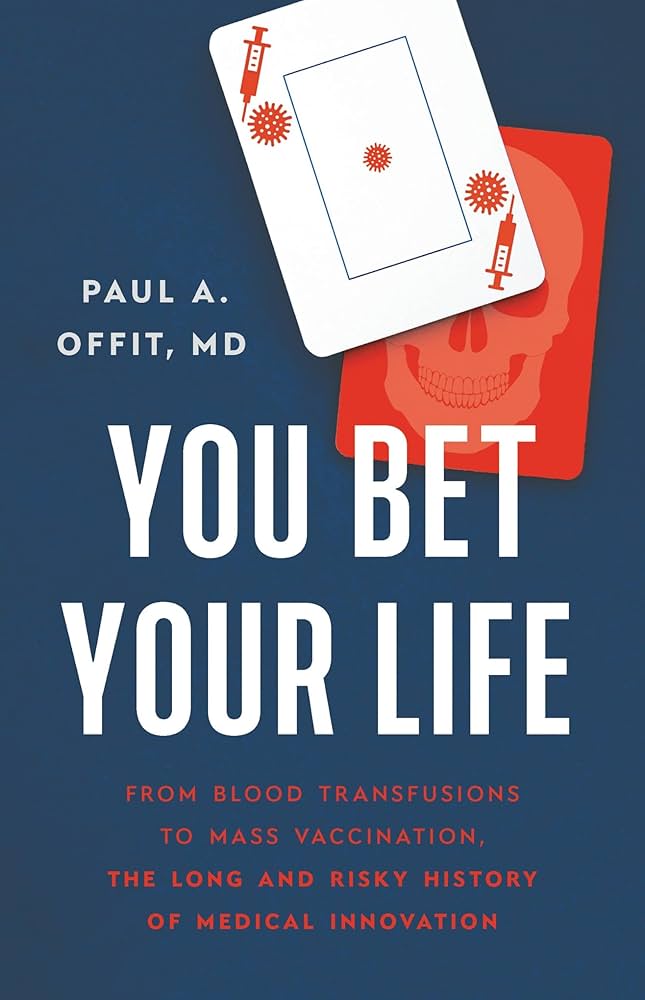
Dr. Offit has written numerous books; I chose 2021’s “You Bet Your Life: From Blood Transfusions to Mass Vaccination, the Long and Risky History of Medical Innovation” (published by Hachette). Medical history (my fave!) writing par excellence. “Follow the Science” has an index, but no bibliography or footnotes or endnotes, so it’s difficult to tell if Sharyl Attkisson read any of Offit’s published books; she may have been relying on interviews and publicly issued statements. This is unfortunate, because “You Bet Your Life,” which details the rocky roads of medical innovations like heart transplants, blood transfusions, anesthesia, X-rays, etc, also takes sharp aim at medical hubris. Offit started the book at the beginning of the pandemic and the first edition released in September 2021 (a grim month in my mind; we had 2 church members hospitalized with Covid or complications). I could feel Offit grimly holding the tension of both the brutality of the pandemic and also the public health decision put before people as vaccines were produced at warp speeds. (This month, I will read Offit’s book “Vaccinated,” a biography of American microbiologist Maurice Hilleman.)
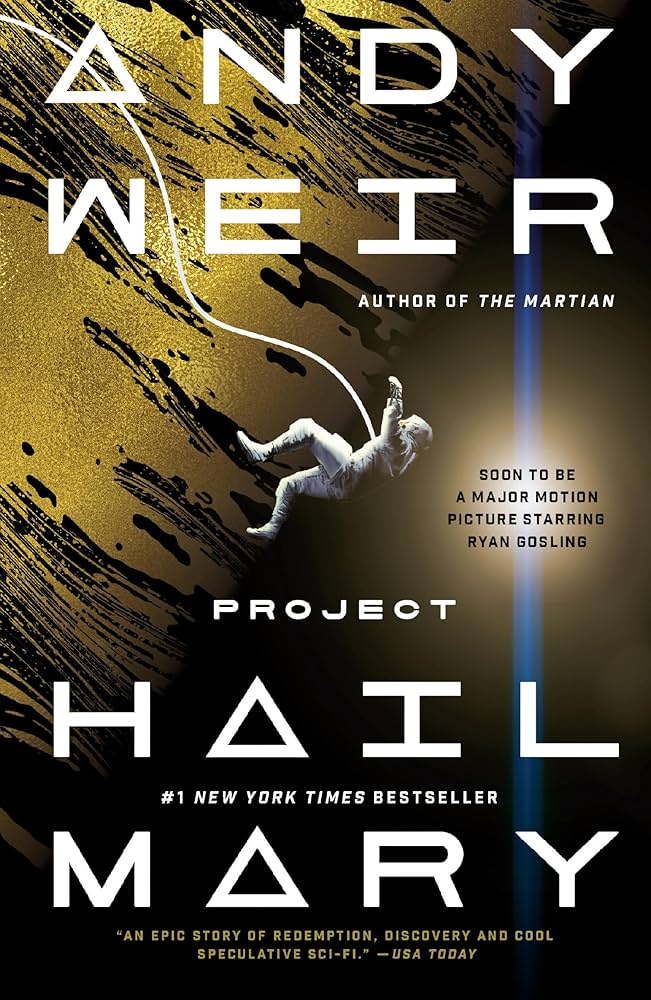
For those who prefer their catastrophes fictional, I have been working my way slowly through a non-library copy of Andy Weir’s sci-fi novel “Project Hail Mary.” R handed it to me, saying, “I think you’d like the science.”
It sciences real hard. That is fortunate because the continual stream-of-consciousness narrative structure did not endear itself to me. But I hung on and still am, and you should too. Interestingly, women I wouldn’t have guessed have really loved the book and/or film adaptation, even seeing it multiple times. Normally when I post about sci-fi novels, mostly men engage, but film does give wider appeal. Even without seeing the film yet, I can hear that Ryan Gosling lilt as I read Dr. Ryland Grace’s lines. So far, an entertaining read about desperate innovation and a unique friendship.
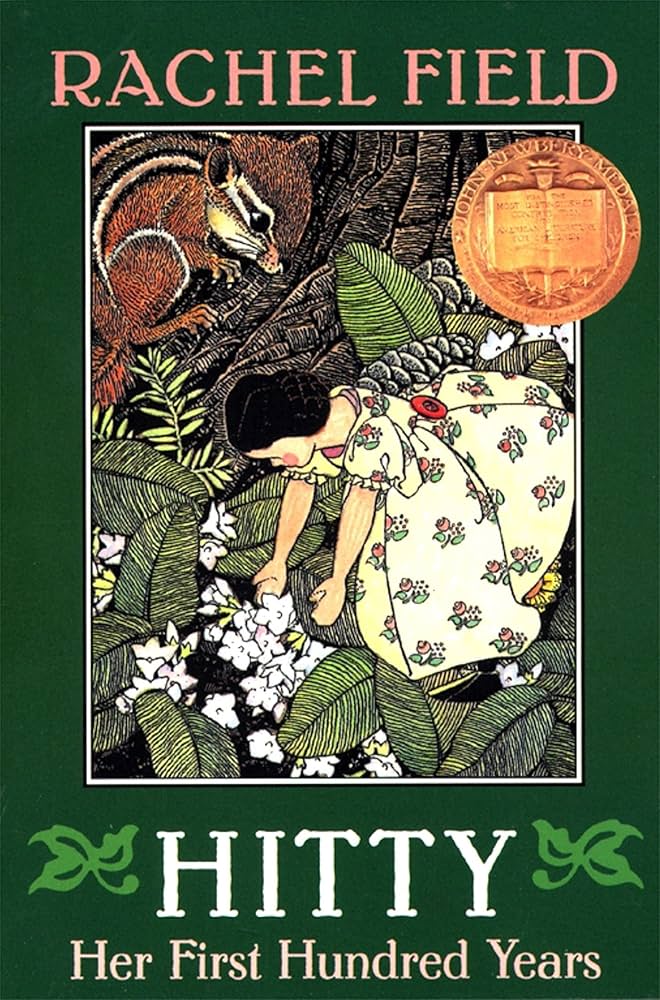
Finally, from a bedtime read aloud, I give you “Hitty: Her First Hundred Years,” a doll’s autobiography. This Rachel Field novel, first published in 1929, earned the first Newbery award presented to a woman. Field captures the international traipses of Hitty, a doll handmade from mountain-ash wood who gets lost or left or sold or discarded over and over, affording her adventures with all sorts of peoples in all sorts of places. Her first young owner, Phoebe, carefully cross-stitches “Hitty” in red letters on the doll’s chemise. I later observed one of my daughter’s sewing a name upon one of her own doll’s cloth bodies.
While I found the book’s early chapters long and dry and skipped over some of the period language of “savages” for unknown tribal cultures, I eventually became caught up in the imagining of a doll’s life. We own some porcelain dolls of unknown age and provenance, and it was fun to think of where they had traipsed before coming to rest in our home.
May your day be full of books and whimsy!